Udhagamandalam (Ooty) – The Queen of Hill Stations in Tamil Nadu (2026 Updated)
Udhagamandalam, more popularly known as Ooty and historically called Ootacamund, is one of the most famous hill stations in Tamil Nadu and South India. Located amid the spectacular Nilgiri Hills, Ooty is widely celebrated as the “Queen of Hill Stations” because of its refreshing mountain climate, rolling green landscapes, tea estates, mist-covered valleys, peaceful lakes, botanical gardens, eucalyptus forests, and charming colonial-era architecture. Situated at an elevation of approximately 2,240 metres above sea level, Udhagamandalam offers a cool and pleasant escape from the warmer plains of Tamil Nadu.
Ooty Tourism: Natural Beauty, Famous Attractions, Scenic Landscapes and Travel Experiences
Ooty, officially known as Udhagamandalam, is one of Tamil Nadu's most beautiful hill stations, nestled in the picturesque Nilgiri Hills. Renowned for its refreshing mountain climate, lush tea plantations, mist-covered valleys, and breathtaking landscapes, Ooty attracts families, honeymooners, nature lovers, photographers, and adventure enthusiasts seeking memorable holidays.
Popular tourist activities include boating at Ooty Lake, exploring colourful botanical gardens, visiting scenic viewpoints, enjoying peaceful nature walks, and discovering traditional tea estates. The historic Nilgiri Mountain Railway offers a remarkable journey through forested hills, mountain tunnels, and charming countryside landscapes.
Ooty Hill Station Travel Guide 2026: Best Time to Visit, Tourist Attractions, Natural Beauty and Holiday Experiences
Ooty, officially known as Udhagamandalam and popularly called the Queen of Hill Stations, is one of Tamil Nadu's most beautiful tourist destinations. Nestled in the scenic Nilgiri Hills, Ooty attracts visitors with its lush green tea plantations, mist-covered mountains, colourful flower gardens, colonial-era architecture, and refreshing mountain climate. Its breathtaking natural landscapes make it an ideal destination for honeymoon couples, families, nature lovers, photographers, and adventure enthusiasts exploring South India.
The best time to visit Ooty depends on individual travel preferences. Summer offers pleasant weather, blooming gardens, and comfortable sightseeing opportunities, while the monsoon transforms the Nilgiri landscape into a green paradise with misty valleys and refreshing rainfall. Winter brings chilly temperatures, peaceful surroundings, and spectacular mountain scenery, making it perfect for travellers who enjoy cooler weather.
Popular Ooty tourist attractions include Ooty Lake, Government Botanical Garden, Doddabetta Peak, Rose Garden, and the historic Nilgiri Mountain Railway. Visitors can also explore scenic tea estates, traditional local markets, beautiful viewpoints, and peaceful countryside locations while experiencing the Nilgiris' distinctive cultural heritage.
With accommodation ranging from budget-friendly hotels and family cottages to luxury resorts, Ooty offers holiday options for different travel budgets. Whether planning a romantic honeymoon, family vacation, weekend getaway, photography tour, or relaxing nature retreat, Ooty Hill Station in 2026 promises memorable experiences combining natural beauty, cultural attractions, pleasant weather, and excellent tourism opportunities throughout the year.
Udhagamandalam (Ooty) Quick Information
| Important Information | Details |
|---|---|
| Official Name | Udhagamandalam |
| Popular Name | Ooty |
| Historical Name | Ootacamund |
| Famous Title | Queen of Hill Stations |
| State | Tamil Nadu |
| District | The Nilgiris |
| Region | Nilgiri Hills |
| Approximate Elevation | 2,240 metres above sea level |
| Famous For | Tea plantations, mountains, lakes, gardens, forests and colonial heritage |
| Indigenous Community | Toda people |
| Major Tourism Appeal | Nature, honeymoon trips, family holidays, sightseeing and photography |
| Summer Season | March to June |
| Summer Temperature | Approximately 15°C to 25°C |
| Monsoon Season | July to September |
| Monsoon Character | Frequent rainfall and lush green landscapes |
| Winter Season | October to February |
| Winter Temperature | Can fall to around 5°C during colder periods |
| Best Known Landscape | Tea gardens, eucalyptus forests and misty Nilgiri mountains |
| Tourism Type | Hill station, nature, heritage and leisure tourism |
| Suitable For | Families, couples, nature lovers, photographers and adventure travellers |
| Best Overall Travel Period | Usually October to June, depending on preferred weather and activities |
History of Udhagamandalam
The history of Udhagamandalam is closely connected with the indigenous communities of the Nilgiri Hills, particularly the Toda people, who inhabited the region long before it developed into a modern hill station. The Todas are known for their distinctive traditions, traditional settlements, pastoral culture, religious customs, and historical association with buffalo herding. Their relationship with the Nilgiri landscape represents an important part of the cultural heritage of Ooty.
The transformation of Udhagamandalam into a prominent hill station accelerated during the early nineteenth century under British administration. The pleasant mountain climate of the Nilgiris attracted British officials who were searching for cooler locations away from the intense heat of the plains.
History of Ooty: John Sullivan and the Development of the British Hill Station
John Sullivan, the British Collector of Coimbatore, played a significant role in the early nineteenth-century development of Ooty (Udhagamandalam) in Tamil Nadu's Nilgiri Hills. His exploration and promotion of the region helped transform Ootacamund into an important colonial hill settlement. The area's pleasant climate, scenic mountains, and natural beauty attracted British administrators and European residents.
During the British colonial period, Ooty gradually developed with elegant European-style residences, colonial bungalows, historic churches, botanical gardens, administrative offices, and improved transportation facilities. Its refreshing mountain climate made it a preferred summer retreat for British officials seeking relief from the intense heat of the plains.
Today, Ooty's colonial history and architectural heritage remain important attractions for tourists. Historic buildings, picturesque gardens, and traditional hill-station charm continue to reflect the town's fascinating past, making Udhagamandalam a popular heritage and nature tourism destination in South India.
Many elements of this historical legacy continue to contribute to the distinctive appearance and atmosphere of Ooty today. Heritage structures, old churches, landscaped gardens and traditional buildings provide visitors with a glimpse of the town's colonial past while the traditions of the indigenous Nilgiri communities preserve a much older cultural history.
Modern Udhagamandalam therefore represents an interesting combination of Toda heritage, Nilgiri culture, British-era architecture, tea-growing traditions and contemporary tourism.
Geography of Udhagamandalam
Udhagamandalam is situated within the Nilgiri Hills of the Western Ghats region in Tamil Nadu. At approximately 2,240 metres above sea level, its elevation is responsible for the relatively cool climate that distinguishes Ooty from many lower-altitude destinations in South India.
The surrounding landscape is characterised by rolling mountains, deep valleys, grasslands, forests, tea plantations and eucalyptus trees. Mist frequently moves across the hills, especially during cooler mornings and rainy periods, creating the atmospheric scenery for which Ooty is famous.
The mountainous terrain provides numerous natural viewpoints and scenic routes. Tea cultivation has also become one of the defining features of the Nilgiri landscape, with vast green estates covering many surrounding slopes.
Forested areas around Ooty support diverse plant and animal life, while the combination of altitude, rainfall and fertile mountain terrain contributes to the region's rich vegetation.
Climate of Ooty
The Ooty climate is one of the main reasons Udhagamandalam has remained a popular tourist destination for generations. Unlike the hot tropical conditions experienced across much of Tamil Nadu, Ooty generally enjoys moderate daytime temperatures and cooler nights because of its considerable altitude.
Weather conditions change noticeably between summer, monsoon and winter, allowing travellers to select a season according to their preferred experience.
Summer in Ooty – March to June
Summer is among the most popular periods for Ooty tourism. Temperatures generally range from approximately 15°C to 25°C, although actual conditions can vary.
Days are usually comfortable for sightseeing, garden visits, boating, photography and exploring tea plantations. The evenings and early mornings can remain pleasantly cool.
Because temperatures in many parts of the plains can become very high during these months, travellers frequently choose Udhagamandalam as a summer holiday destination.
Summer is especially suitable for:
-
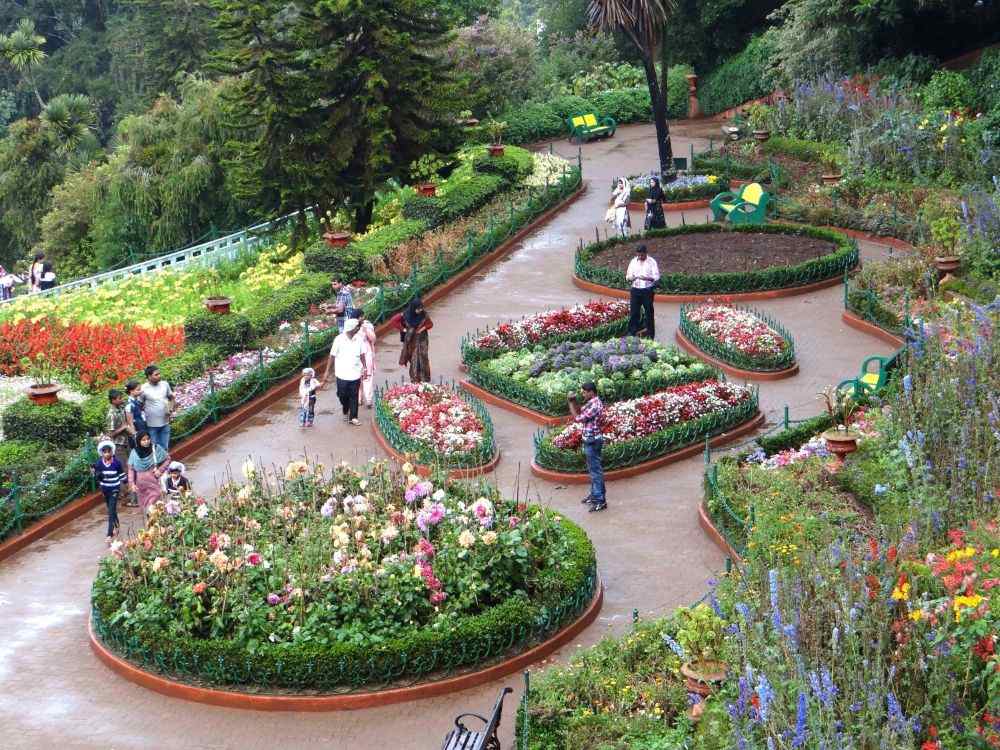
Family holidays
-
Sightseeing
-
Botanical garden visits
-
Boating
-
Nature walks
-
Photography
-
Tea-estate visits
-
Outdoor activities
Monsoon in Ooty – July to September
The monsoon season brings substantial rainfall to the Nilgiri region. Rain transforms the surrounding hills into vibrant green landscapes, replenishes streams and waterfalls, and creates dramatic mist-covered scenery.
For nature photographers and travellers who enjoy rain, clouds and lush vegetation, monsoon Ooty can be particularly beautiful. However, frequent rainfall may occasionally interfere with outdoor sightseeing or travel plans.
Roads may become wet and visibility can decrease considerably during dense mist or heavy rain, so travellers should plan outdoor activities according to local weather conditions.
The monsoon season is ideal for visitors interested in:
-
Lush greenery
-
Misty mountain photography
-
Rainy-season scenery
-
Quiet holidays
-
Tea plantation views
-
Waterfalls and forest landscapes
Winter in Ooty – October to February
Winter brings colder weather to Udhagamandalam. Temperatures can fall to around 5°C during particularly cold periods, especially at night and in the early morning.
Crisp mountain air, misty mornings and cool evenings make this period particularly attractive for honeymooners, couples, photographers and travellers who prefer cold-weather destinations.
Warm clothing is advisable, particularly during December and January when nighttime and early morning temperatures can feel significantly colder.
Winter is suitable for:
-
Honeymoon trips
-
Couple holidays
-
Photography
-
Heritage sightseeing
-
Mountain drives
-
Nature walks
-
Relaxing holidays in cool weather
Ooty Weather by Season
| Season | Months | Approximate Temperature | Weather Conditions | Recommended Activities |
|---|---|---|---|---|
| Summer | March–June | 15°C–25°C | Pleasant and relatively mild | Sightseeing, boating, gardens and family holidays |
| Monsoon | July–September | Cool and rainy | Frequent rainfall, fog and lush greenery | Photography, scenic drives and nature viewing |
| Winter | October–February | Around 5°C on colder nights to mild daytime temperatures | Cold mornings, cool days and mist | Honeymoons, photography and sightseeing |
Why Ooty Is Called the Queen of Hill Stations
The title “Queen of Hill Stations” reflects the exceptional combination of climate, scenery and historical charm found in Udhagamandalam. Its rolling tea-covered hills, eucalyptus forests, flower gardens, lakes, valleys and colonial buildings create a landscape that differs considerably from the warmer plains surrounding the Nilgiris.
Generations of travellers have visited Ooty for its mountain atmosphere and relaxing environment. Although tourism infrastructure has expanded significantly, the destination continues to retain many of the natural and historical characteristics that established its reputation as one of India's best-known hill stations.
Natural Beauty of Udhagamandalam
The landscapes surrounding Udhagamandalam are dominated by varying shades of green. Tea plantations cover large stretches of hillside, while eucalyptus trees and mountain forests add depth to the scenery.
Early mornings frequently bring drifting fog, while clear afternoons can reveal impressive views across surrounding valleys and distant hills. During the monsoon, vegetation becomes especially vibrant, while winter introduces cool air and atmospheric mist.
These constantly changing conditions make Ooty highly attractive to photographers and nature enthusiasts.
Tea Plantations of Ooty (2026 Updated)
The tea plantations of Ooty are among the most beautiful and recognizable attractions in the Nilgiri Hills of Tamil Nadu. Surrounded by rolling green slopes, mist-covered mountains, cool weather, and scenic valleys, these plantations form an important part of Ooty’s natural landscape and tourism experience. Tea cultivation has shaped the character of the Nilgiris for generations, and today visitors can see vast stretches of neatly arranged tea bushes covering the hills around Ooty, Coonoor, Kotagiri, and nearby areas.
A visit to an Ooty tea plantation offers travelers an opportunity to learn how fresh tea leaves are grown, harvested, processed, dried, and prepared for sale. Several tea estates and local tea factories also provide demonstrations or visitor experiences where tourists can understand the different stages of tea production. Popular varieties available in the Nilgiris include black tea, green tea, masala tea, cardamom tea, ginger tea, and other flavored blends. Many visitors also purchase locally produced Nilgiri tea as a souvenir because of its distinctive aroma and refreshing taste.
The tea gardens are especially attractive for photography, sightseeing, nature walks, and peaceful drives through the countryside. Early mornings and misty periods can create particularly scenic views across the plantations and surrounding hills. Travelers exploring Ooty in 2026 can include tea estates along with nearby viewpoints, waterfalls, botanical attractions, and mountain routes to experience more of the Nilgiri region.
For tourists interested in nature, agriculture, local culture, and scenic landscapes, the Tea Plantations of Ooty remain an essential part of an Ooty sightseeing itinerary. Their green hills, pleasant atmosphere, and connection to the Nilgiris’ tea-growing heritage make them one of the most memorable attractions in the region.
Colonial Heritage of Ootacamund
The historic name Ootacamund remains closely associated with the town's colonial period. During British administration, the destination developed as an important mountain retreat.
Colonial-style bungalows, churches and public buildings still contribute to the architectural character of Udhagamandalam. Heritage enthusiasts can explore these historic influences while also experiencing the modern tourism facilities of today's Ooty.
This combination of old architecture and mountain scenery gives Ooty a distinctive character that differentiates it from many other tourist destinations.
Indigenous Heritage of the Nilgiris
The history of Ooty should not be understood solely through its colonial development. The Nilgiri Hills have been home to indigenous communities for centuries.
The Toda community is particularly associated with the region and possesses distinctive cultural traditions, traditional dwellings and pastoral practices. Their historical presence represents an essential part of the identity and cultural history of the Nilgiris.
Responsible tourism should recognise and respect this indigenous heritage while encouraging visitors to understand the region beyond its conventional hill-station attractions.
Best Time to Visit Udhagamandalam
The best time to visit Ooty depends primarily on the type of holiday a traveller wants.
Visitors seeking mild weather and maximum sightseeing opportunities generally prefer March to June. Travellers who enjoy green landscapes and rain may prefer July to September, while those looking for colder weather often choose October to February.
For many tourists, the broader period between October and June provides favourable conditions for exploring Ooty, although the town can be visited throughout the year.
| Travel Preference | Recommended Period |
|---|---|
| Pleasant sightseeing weather | March to June |
| Summer holiday | April to June |
| Lush green landscapes | July to September |
| Monsoon photography | July to September |
| Cool winter holiday | November to February |
| Honeymoon trip | October to February |
| Family vacation | March to June |
| Nature photography | Monsoon and winter |
| Tea plantation scenery | Throughout the year |
Who Should Visit Ooty?
Udhagamandalam appeals to a wide variety of travellers because it combines natural attractions with leisure activities and heritage experiences.
Families can enjoy gardens, lakes and sightseeing destinations. Couples and honeymooners often choose Ooty for its cool climate, misty landscapes and peaceful atmosphere. Photographers benefit from constantly changing mountain light, fog, tea plantations and valley views.
Nature lovers can explore forests, gardens and scenic routes, while heritage travellers can learn about the colonial architecture and indigenous cultures of the Nilgiris.
Ooty Tourism in 2026
In 2026, Ooty continues to remain one of Tamil Nadu's most recognised hill tourism destinations. Its combination of mountain scenery, tea plantations, cool weather, gardens, lakes, heritage attractions and Nilgiri culture continues to attract travellers from across India.
Travellers planning an Ooty trip should remember that weather conditions can change rapidly in mountainous areas. Carrying suitable clothing, checking local conditions before outdoor journeys and allowing sufficient travel time during rain or heavy mist can help make the journey more comfortable.
Visitors should also practise responsible tourism by avoiding littering, reducing unnecessary plastic use, respecting wildlife and forests, and preserving the ecological environment of the Nilgiris.
Udhagamandalam, Ooty and Ootacamund – Are They the Same Place?
Yes. Udhagamandalam, Ooty and Ootacamund refer to the same famous hill station in Tamil Nadu.
-
Udhagamandalam is the official modern name.
-
Ooty is the popular shortened name most commonly used by travellers.
-
Ootacamund is the historical name widely associated with the British colonial period.
Understanding these different names can be useful when researching the history, maps, tourism information and heritage of the destination.
3. Best Time to Visit Ooty: Seasonal Travel Guide
The best time to visit Ooty, also known as the “Queen of Hill Stations,” depends on the type of experience you are looking for. Officially called Udhagamandalam, this beautiful hill station offers a pleasant climate throughout the year, making it a favorite destination for travelers across India.
Summer (March to June): This is the most popular season for tourism in Ooty. With temperatures ranging between 15°C and 25°C, the weather is ideal for sightseeing, boating in Ooty Lake, trekking, and exploring gardens. Families and adventure seekers especially enjoy this vibrant season.
Monsoon (July to September): During the rainy season, Ooty transforms into a lush green paradise filled with mist-covered hills, flowing waterfalls, and fresh blooming landscapes. Although travel may be slightly slow due to rainfall, this season is perfect for nature lovers and photography enthusiasts who want to witness the region’s raw beauty.
Winter (October to February): Winter in Ooty brings cool temperatures that can drop to around 5°C. The crisp mountain air, foggy mornings, and cozy atmosphere make it an ideal time for honeymoon couples and travelers who enjoy cold hill station weather.
Overall, Ooty remains a year-round destination, offering a perfect blend of natural beauty, adventure, and relaxation in every season.
4. Ooty Travel Guide – Best Tourist Places, Attractions and Things to Do
Ooty, officially known as Udhagamandalam and historically called Ootacamund, is one of the most famous hill stations in Tamil Nadu and a major holiday destination in the Nilgiri Hills. Popularly described as the Queen of Hill Stations, Ooty attracts travellers with its mist-covered mountains, cool climate, rolling tea plantations, lakes, waterfalls, botanical gardens, colonial-era architecture and scenic mountain railway. The destination offers something for almost every type of visitor, including families looking for relaxing sightseeing, honeymoon couples searching for romantic landscapes, photographers interested in misty valleys and colourful gardens, nature enthusiasts exploring forests and lakes, and adventure travellers seeking trekking routes and outdoor experiences. From Ooty Lake and Doddabetta Peak to the Government Botanical Garden, Rose Garden, Nilgiri Mountain Railway, Pykara, Avalanche Lake and nearby Coonoor, the Nilgiris offer a remarkable combination of natural beauty, cultural heritage and memorable hill-country experiences.
Top Attractions in Ooty
The main tourist attractions in Ooty represent the diverse character of the Nilgiris, combining gardens, lakes, viewpoints, forests, tea estates, heritage landmarks and mountain scenery. Ooty Lake remains one of the most popular family attractions, while the Government Botanical Garden is known for landscaped lawns, plants and seasonal floral displays. Doddabetta Peak provides impressive views across the Nilgiri landscape, and the Nilgiri Mountain Railway offers visitors an unforgettable journey through hills, valleys, forests and tea-growing regions. Other popular places include the Government Rose Garden, Tea Museum, Pykara Lake and Falls, Pine Forest, Avalanche Lake, Emerald Lake, Wenlock Downs, Cairn Hill and various viewpoints around the Nilgiris. Together, these attractions make Ooty suitable for both short weekend holidays and longer sightseeing trips.
Government Botanical Garden
The Government Botanical Garden is one of the most recognised tourist places in Ooty and a favourite destination for nature lovers, families and photographers. Established during the nineteenth century, the garden features landscaped lawns, terraces, ornamental plants, flowering sections and an extensive variety of trees and vegetation. Its green surroundings create a refreshing atmosphere where visitors can spend time walking, relaxing and enjoying the cool Nilgiri weather. Seasonal flowers add vibrant colours to the landscape, while the garden's terraced layout provides numerous attractive photography locations. The annual flower-show season is especially popular among visitors. For travellers searching for peaceful places to visit in Ooty near the town centre, the Botanical Garden remains an essential addition to the itinerary.
Ooty Lake and Boat House
Ooty Lake is one of the best-known landmarks in Udhagamandalam and continues to be a major recreational attraction for tourists. This artificial lake was created during the colonial period and is surrounded by greenery and the distinctive hill-station atmosphere of the Nilgiris. Boating is one of the principal activities, with visitors enjoying the calm water while taking in views of the surrounding landscape. The Boat House area is particularly popular with families because several recreational activities are available around the lake. Horse rides, children's entertainment and leisurely walks add to the experience. Travellers interested in photography can also capture attractive lake views, particularly when mist settles across the nearby hills. Because of its central location and variety of activities, Ooty Lake is often included among the first attractions visited during an Ooty sightseeing tour.
Doddabetta Peak
Doddabetta Peak is among the most important viewpoints near Ooty and is widely known as the highest peak in the Nilgiri Hills. Rising to approximately 2,637 metres above sea level, the peak offers broad views across hills, valleys, forests and surrounding landscapes when weather conditions are clear. The journey towards Doddabetta is itself scenic, passing through green hills and tea-growing areas. Visitors commonly travel here for sightseeing, photography and the refreshing mountain atmosphere. Fog can occasionally reduce visibility, particularly during changing weather, so travellers hoping for distant panoramic views may prefer to plan the visit according to local conditions. Doddabetta remains one of the most searched and photographed attractions for tourists exploring Ooty and the Nilgiris.
Nilgiri Mountain Railway and Ooty Toy Train
The Nilgiri Mountain Railway, popularly known as the Ooty Toy Train, is one of the most distinctive heritage experiences in Tamil Nadu. The railway connects Mettupalayam with the Nilgiri hill region and passes through dramatic mountain scenery, forested slopes, bridges, curves, tunnels and tea-growing landscapes. The approximately 46-kilometre railway is famous for the engineering methods developed to negotiate the steep terrain of the Nilgiris. Its heritage significance has made it part of UNESCO's Mountain Railways of India property. For tourists, however, its greatest attraction is the journey itself: slowly travelling through changing landscapes while enjoying the cool air and dramatic views of the mountains. Travellers planning to include the Ooty toy train in their itinerary should consider arranging tickets early during weekends, holidays and peak tourist periods because the journey is highly popular.
Government Rose Garden
The Government Rose Garden is another major attraction for travellers interested in flowers, gardens and photography. Located on the slopes of Elk Hill, the garden spreads across a terraced landscape and contains a large collection of rose plants in different forms and colours. Walking through the garden allows visitors to experience layers of flowering beds against the green background of the surrounding hills. The attraction becomes especially colourful during the flowering season, making it a popular destination for families, couples and photography enthusiasts. Along with the Botanical Garden, the Rose Garden contributes significantly to Ooty's reputation as a destination filled with horticultural beauty.
Tea Museum and Tea Plantations
Tea is closely associated with the identity of the Nilgiris, and visitors to Ooty can explore this heritage at tea plantations, factories and the Tea Museum. The museum introduces travellers to the history of tea and the different stages involved in transforming fresh tea leaves into the beverage enjoyed around the world. Factory demonstrations can provide an interesting look at processes such as withering, rolling, drying and sorting. The surrounding tea estates add to the experience with neatly arranged plantations covering the slopes of the Nilgiri Hills. Visitors can also taste locally produced tea and purchase different varieties. A tea-factory visit is particularly suitable for families and educational groups because it combines sightseeing with an understanding of one of the region's most important agricultural activities.
Emerald Lake
Emerald Lake offers a quieter natural experience away from the busiest areas of Ooty. Located in the scenic Nilgiri landscape, the lake is surrounded by green hills and tea-growing countryside, creating a peaceful environment for visitors interested in nature, photography and relaxation. The calm water and mountain surroundings provide attractive opportunities for landscape photography, while the quieter atmosphere appeals to tourists looking for a break from crowded commercial attractions. Visitors often combine Emerald Lake with other destinations in the Avalanche region to create a nature-focused sightseeing route.
Avalanche Lake
Avalanche Lake is one of the most scenic nature destinations around Ooty and is particularly attractive to photographers, birdwatchers and travellers who enjoy forests and mountain landscapes. Surrounded by shola vegetation and hills, the reservoir area presents changing views of valleys, greenery and water. The route towards Avalanche and Upper Bhavani is known for beautiful natural scenery, making the journey almost as enjoyable as the destination. Access to environmentally sensitive areas may be regulated, so tourists should follow local forest and tourism instructions rather than entering restricted locations independently. Avalanche Lake is an excellent choice for visitors who want to experience the quieter and more natural side of the Nilgiris.
Pykara Lake and Pykara Falls
Pykara is another major sightseeing area near Ooty, known for its river, lake, waterfalls and forest scenery. The Pykara River flows through the Nilgiri landscape before descending through a series of cascades, creating picturesque waterfalls surrounded by greenery. A boat house at the lake adds a recreational element to the trip, making Pykara suitable for families as well as nature lovers. The drive from Ooty towards Pykara passes through several scenic stretches, and many travellers combine the destination with nearby Pine Forest and Wenlock Downs. Pykara is therefore ideal for a half-day or extended sightseeing circuit outside central Ooty.
Ooty Pine Forest
The Pine Forest between Ooty and the Pykara side of the Nilgiris has become one of the region's most recognisable photography destinations. Rows of tall pine trees descending along the hillside create a dramatic setting that has attracted tourists and film crews for years. Visitors enjoy walking between the trees, relaxing in the cool surroundings and taking photographs against the forest landscape. The ground can become slippery during wet weather, so suitable footwear is recommended. Its location also makes the Pine Forest convenient to include with Pykara and other attractions along the same sightseeing route.
Wenlock Downs
Wenlock Downs offers broad grassland scenery and open views that contrast with Ooty's densely wooded areas. The undulating landscape provides a peaceful location for travellers who enjoy long views, photography and relaxed sightseeing. The region's combination of grasslands and shola vegetation represents an important part of the Nilgiri landscape. Visitors commonly include Wenlock Downs in trips towards Pykara because several popular sightseeing locations can be covered along the same route.
Kalhatty Falls
Kalhatty Falls is a natural attraction located outside the main Ooty town area and is surrounded by hill vegetation and quiet scenery. The waterfall is especially attractive when water flow is stronger, while the surrounding terrain appeals to visitors interested in outdoor exploration and photography. Travellers should pay attention to local weather and safety conditions before attempting trekking or approaching slippery waterfall areas. Visiting with appropriate footwear and following local guidance can make the experience safer and more enjoyable.
Cairn Hill
Cairn Hill provides a peaceful forest environment for visitors who want to experience greenery away from heavily commercial tourist areas. Dense trees, cool air and quiet walking areas make it suitable for nature appreciation, birdwatching and photography. The location highlights the forest character that gives the Nilgiris much of its distinctive atmosphere. Travellers looking for less crowded places around Ooty may find Cairn Hill particularly rewarding.
Heritage Attractions in Ooty
Ooty's appeal extends beyond natural scenery because the hill station also contains significant colonial-era buildings and institutions. St. Stephen's Church is among the well-known heritage landmarks and is admired for its Gothic character and historic atmosphere. Stone House is associated with John Sullivan and the early development of Ooty as a hill settlement. The Nilgiris Library is another historical institution with a long connection to the town's cultural life. Old government buildings, educational institutions, clubs and residences around Udhagamandalam contribute to the distinctive architectural character of the destination. Exploring these places gives travellers a deeper understanding of how Ooty developed from a mountain settlement into one of South India's best-known hill stations.
Government Museum and Cultural Attractions
The Government Museum in Ooty focuses on the cultural and natural heritage of the Nilgiris. Exhibits described in the source material include tribal objects, wood carvings, natural-history specimens, sculptures, traditional models and other items connected with the district. Such collections provide visitors with an opportunity to learn more about the communities, environment and history of the Nilgiri region. Cultural attractions can be especially valuable for families and students who want to add an educational dimension to an Ooty holiday.
Adventure Activities in Ooty
Ooty and the surrounding Nilgiri Hills offer several opportunities for outdoor recreation. Trekking remains one of the most popular choices because the region contains forest paths, mountain routes and viewpoints surrounded by distinctive Western Ghats scenery. Horse riding is commonly available around popular tourist areas, particularly near Ooty Lake, and can be enjoyable for families and beginners. Mountain biking and nature walks appeal to travellers looking for active ways to experience the landscape. More remote trekking routes, forests and protected areas may require permission or local guidance, and visitors should always respect restrictions intended to protect wildlife and sensitive ecosystems.
Food and Local Cuisine
Food is an enjoyable part of an Ooty holiday, with visitors able to experience South Indian dishes alongside local Nilgiri specialities and influences associated with the hill station's colonial history. Ooty Varkey is one of the region's best-known baked snacks and is often purchased by travellers as a local speciality. Nilgiri-style dishes prepared with aromatic herbs and spices provide another taste of the region's culinary character. Freshly brewed Nilgiri tea is naturally one of the highlights, particularly when enjoyed in the cool mountain climate. South Indian filter coffee, homemade chocolates and locally prepared snacks are also widely associated with the Ooty travel experience.
Shopping in Ooty
Shopping in Ooty gives visitors an opportunity to take home products associated with the Nilgiri Hills. Handmade chocolates are among the most popular purchases, available in numerous flavours and varieties. Nilgiri tea is another favourite, along with spices, eucalyptus-based products, aromatic oils and locally produced items. Traditional Toda embroidery and handicrafts offer visitors a connection with the indigenous cultural heritage of the Nilgiris. Shopping areas mentioned in the source include Charing Cross, Tibetan Market, Upper Bazaar Road, Lower Bazaar Road, Main Bazaar, Commercial Road and the municipal market. Woollen clothing, shawls, handicrafts, chocolates, tea, spices, essential oils, books and souvenirs can be found across these commercial areas.
Nearby Places to Visit from Ooty
A longer Ooty itinerary can include several nearby destinations across the Nilgiris. Coonoor is one of the most popular choices and is known for tea estates, Sim's Park, Dolphin's Nose, Lamb's Rock and scenic valleys. Kotagiri offers a quieter hill-station atmosphere with plantations, viewpoints and trekking opportunities. Gudalur provides access to western parts of the Nilgiris and attractions such as Needle Rock and surrounding forest landscapes. Travellers interested in wildlife can explore the Mudumalai region, while nature enthusiasts may consider protected landscapes such as Mukurthi National Park subject to applicable access regulations. These surrounding destinations make Ooty a convenient base for exploring a much larger section of the Nilgiri Hills.
Coonoor Tourist Places
Coonoor is one of the most attractive destinations to combine with an Ooty trip. Situated amid tea-growing hills, the town offers scenic viewpoints and a slightly quieter atmosphere. Sim's Park is a major attraction featuring landscaped grounds and a variety of trees and plants. Dolphin's Nose provides expansive views of the surrounding mountains, and Catherine Falls can be seen from parts of the viewpoint area. Lamb's Rock is another popular stop for travellers seeking valley and plantation views. Tea estates surrounding Coonoor add to the visual appeal, and the Nilgiri Mountain Railway provides a memorable way of travelling between Ooty and Coonoor.
Kotagiri Tourist Places
Kotagiri is another beautiful hill destination in the Nilgiris and is well suited to travellers who prefer greenery, tea plantations and a relaxed atmosphere. The winding roads leading through the region provide attractive views across valleys and hills. Places mentioned in the source include Rangaswamy Peak, Kodanad viewpoint areas, Longwood Shola and surrounding tea-growing landscapes. Kotagiri also serves as a base for nature walks and outdoor exploration, making it an appealing alternative or addition to the more crowded parts of Ooty.
Mudumalai Wildlife Region
The Mudumalai landscape lies within the wider Nilgiri ecosystem and is well known for forests, wildlife and biodiversity. The region provides habitat for elephants, deer, gaur, monkeys and numerous bird species, along with large carnivores. Wildlife experiences should always be undertaken through authorised routes, approved safaris or official access arrangements. Visitors should never enter restricted forest areas independently or disturb animals for photography. Combining Ooty's hill-station scenery with a properly planned visit to Mudumalai can create a varied itinerary featuring both mountain landscapes and wildlife experiences.
Best Time to Visit Ooty
Ooty can be visited during much of the year, although the experience changes considerably with the seasons. March to June is traditionally one of the busiest periods because travellers arrive to escape the summer heat of the plains, and gardens are particularly attractive during this period. September to November can also provide beautiful green landscapes and pleasant conditions after the monsoon. Winter brings cooler temperatures, especially during mornings and evenings, while rainy periods can create misty scenery but may affect outdoor activities and road conditions. Travellers should check local weather before visiting viewpoints or planning long outdoor excursions.
How to Reach Ooty by Air
Coimbatore is the principal airport commonly used by travellers heading to Ooty. From Coimbatore, visitors can continue towards Mettupalayam and then climb into the Nilgiri Hills by road. Road travel time can vary according to traffic, weather and mountain conditions, so sufficient time should be allowed when planning airport connections.
How to Reach Ooty by Train
Travellers seeking a memorable rail journey can travel towards Mettupalayam and connect with the Nilgiri Mountain Railway. The heritage railway climbs through the Nilgiri Hills towards Coonoor and Ooty, providing one of the most scenic approaches to the hill station. Conventional rail connections to the surrounding plains make Coimbatore and Mettupalayam important gateways for visitors travelling from other parts of Tamil Nadu and India. Toy-train availability can become limited during popular travel periods, making advance planning useful.
How to Reach Ooty by Road
Ooty is connected by mountain roads with Coimbatore, Mettupalayam, Coonoor, Mysuru and other regional destinations. Government buses, private buses, taxis and personal vehicles are commonly used to reach the hill station. Driving through the Nilgiri ghat roads provides beautiful scenery but requires careful driving because routes contain bends and gradients. Travellers unfamiliar with mountain roads should allow sufficient journey time and avoid rushing, particularly during rain, fog or heavy holiday traffic.
Travel Tips for an Ooty Holiday
Visitors should carry comfortable walking shoes because many attractions involve slopes, gardens and uneven ground. Light rain protection can be useful because mountain weather may change quickly, while warm clothing is advisable during cool mornings, evenings and winter months. Fog may occasionally affect visibility at Doddabetta and other viewpoints, so flexible sightseeing plans can help travellers make better use of changing weather. Advance hotel and transport reservations are recommended during summer holidays, long weekends and festival periods. Visitors exploring forests, national parks or ecologically sensitive areas should always follow local restrictions and obtain permission where required.
Why Ooty Remains One of Tamil Nadu's Best Hill Stations
Ooty continues to stand out as one of Tamil Nadu's most appealing hill destinations because it combines natural scenery, history, recreation and easy access to numerous Nilgiri attractions. Visitors can begin the day among flowers in the Botanical Garden, enjoy boating at Ooty Lake, travel through the mountains aboard the heritage toy train, admire panoramic scenery from Doddabetta, explore tea plantations and then spend another day discovering Pykara, Avalanche, Emerald Lake, Coonoor or nearby forest landscapes. Couples can enjoy mist-covered hills and quiet lakes, families have gardens and recreational attractions to explore, photographers can capture waterfalls, forests and tea estates, and nature lovers can experience the distinctive beauty of the Western Ghats. With its cool mountain atmosphere, historic character, famous gardens, scenic railway and remarkable variety of nearby attractions, Ooty remains an unforgettable destination for travellers exploring Tamil Nadu and South India.
Frequently Asked Question
List of FAQs about Ooty (Udhagamandalam)
1. What is Ooty famous for?
Ooty, also known as Udhagamandalam, is famous for its breathtaking natural beauty, lush green tea plantations, serene lakes, and colonial-era charm. Located in Tamil Nadu’s Nilgiri Hills, it is known as the “Queen of Hill Stations.” The town’s cool climate, mist-covered mountains, and scenic gardens make it a year-round tourist attraction. Major landmarks like Ootacamund Lake, Botanical Garden, Doddabetta Peak, and Rose Garden add to its charm. Udhagamandalam is also known for homemade chocolates, eucalyptus oil, and exquisite tea varieties, which attract thousands of visitors every year.
2. Where is Ooty located?
It is situated in the Nilgiri district of Tamil Nadu, in southern India. It lies at an altitude of approximately 2,240 meters (7,350 feet) above sea level. Surrounded by the Nilgiri mountain range, Ootacamund is part of the Western Ghats, which is a UNESCO World Heritage Site. The town is about 89 km from Coimbatore and around 128 km from Mysore, making it easily accessible from both Tamil Nadu and Karnataka.
3. What is the best time to visit Ooty?
The best time to visit Ootacamund is from March to June and September to November. During these months, the weather remains pleasant, perfect for sightseeing, boating, and trekking. Summer is ideal for exploring tourist attractions, while the post-monsoon season brings fresh greenery and misty landscapes. Winter (December to February) can be quite chilly, making it perfect for honeymooners and those who enjoy cold weather.
4. How can I reach Ooty?
Ootacamund can be reached by road, rail, and air.
-
By Road: Ootacamund is well connected by scenic roads from Coimbatore, Mysore, and Bangalore.
-
By Rail: The Nilgiri Mountain Railway, a UNESCO World Heritage Site, connects Mettupalayam to Ooty and offers a beautiful toy train journey.
-
By Air: The nearest airport is Coimbatore International Airport, about 88 km away. From there, taxis and buses are available to reach Ootacamund.
5. What are the top tourist attractions in Ootacamund?
It has numerous attractions that captivate every visitor. Some of the must-visit places include:
-
Ootacamund Lake: Ideal for boating and horse riding.
-
Botanical Garden: Home to thousands of rare plant species.
-
Doddabetta Peak: The highest point in the Nilgiris with panoramic views.
-
Rose Garden: Asia’s largest rose collection.
-
Pykara Falls and Lake: Perfect for picnics and scenic beauty.
-
Cairn Hill, Avalanche Lake, and Emerald Lake: Hidden gems for nature lovers.
-
Tea Museum and Factory: Learn about Ooty’s tea-making tradition.
6. What is the history of Ootacamund?
Ooty’s history dates back to the early 19th century when it was discovered by the British. Originally inhabited by the Toda tribes, the region was developed as a summer retreat by the British during colonial times. The establishment of tea estates and the Nilgiri Mountain Railway transformed Ooty into a major hill station. The British architectural influence is still evident in its churches, schools, and bungalows.
7. Why is Ooty called the “Queen of Hill Stations”?
Ooty earned the title “Queen of Hill Stations” because of its unmatched beauty, pleasant climate, and lush landscapes. Its rolling hills, evergreen forests, and misty valleys create a majestic and royal atmosphere that has attracted visitors for centuries. The combination of nature, tranquility, and charm gives Ooty a regal touch, fitting for the title.
8. What activities can tourists do in Ooty?
Tourists in Ooty can indulge in a wide range of activities such as:
-
Boating on Ooty Lake or Pykara Lake.
-
Trekking to Doddabetta Peak or Avalanche.
-
Visiting tea estates and factories.
-
Camping near Avalanche and Emerald Lake.
-
Shopping for handmade chocolates, spices, and woollens.
-
Enjoying the Ooty Flower Show in May.
-
Riding the Nilgiri Toy Train.
9. Is Ooty good for family vacations?
Yes, It is an excellent destination for family vacations. The hill station offers a mix of natural beauty, recreational activities, and sightseeing options suitable for all ages. Families can enjoy boat rides, nature walks, and scenic train journeys together. There are also plenty of family-friendly resorts, cottages, and hotels with beautiful views.
10. How is the climate in Ootacamund throughout the year?
It experiences a cool and pleasant climate throughout the year:
-
Summer (March–June): 15°C–25°C – ideal for sightseeing.
-
Monsoon (July–September): 12°C–20°C – lush greenery and light rainfall.
-
Winter (October–February): 5°C–15°C – cold, misty, and romantic.
The pleasant weather is one of the main reasons Ooty remains a popular destination year-round.
11. What kind of accommodation is available in Ooty?
Ooty offers a wide variety of accommodations to suit every budget:
-
Luxury Resorts: Taj Savoy, Sterling Ooty Elk Hill, Club Mahindra Derby Green.
-
Mid-range Hotels: Accord Highland Hotel, Fortune Resort Sullivan Court.
-
Budget Stays: Homestays, lodges, and cottages around Charring Cross and Garden Road.
-
Unique Stays: Colonial bungalows, tea estate cottages, and eco-lodges.
Many hotels offer panoramic hill views and easy access to major attractions.
12. What Food Is Ooty Famous For? – Popular Local Dishes, Chocolates and Nilgiri Tea
Ooty, Tamil Nadu, is famous for its delicious homemade chocolates, fresh strawberries, traditional South Indian cuisine, and aromatic Nilgiri tea. Popular foods in Ooty include aviyal, idiyappam, dosa, idli, and spicy vegetable curries. Local bakeries serve freshly baked buns, cakes, biscuits, and traditional breads. Tourists particularly enjoy Ooty's handcrafted chocolates, available in different flavours, and tea produced from locally grown Nilgiri leaves. The food prices in Ooty vary, with homemade chocolates generally costing around ₹100–₹300 per 100 grams. These local delicacies make Ooty a popular destination for food lovers exploring the Nilgiri Hills.
13. Is Ooty safe for solo and women travelers?
Yes, It is generally safe for solo and women travelers. The town is friendly, and locals are helpful. However, it’s advisable to take normal travel precautions such as avoiding isolated areas at night, using registered taxis, and booking stays through trusted platforms.
14. How many days are enough to explore Ooty?
A 3 to 4-day trip is ideal to explore the main attractions of Ooty and nearby places like Coonoor and Kotagiri.
-
Day 1: Ooty Lake, Botanical Garden, Rose Garden.
-
Day 2: Doddabetta Peak, Tea Factory, and Shopping.
-
Day 3: Pykara Lake and Falls, Avalanche Lake, and Emerald.
This duration allows travelers to experience the best of Ooty at a relaxed pace.
15. What is the Nilgiri Mountain Railway?
The Nilgiri Mountain Railway (NMR) is a UNESCO World Heritage Site and a major attraction in Ooty. Established in 1908, it runs from Mettupalayam to Ooty, covering 46 km of scenic landscapes. The slow-moving toy train passes through tunnels, bridges, forests, and tea gardens, offering a mesmerizing journey through the Nilgiris.
16. Can I visit Ooty during monsoon?
Yes, visiting Ootacamund during monsoon (July to September) is a unique experience. The rainfall enhances the greenery and creates a misty, romantic ambiance. However, some outdoor activities like trekking may be limited due to slippery trails. It’s an ideal season for nature photographers and those who love peaceful getaways.
17. What are some nearby tourist places from Ooty?
Several beautiful destinations surround Ooty, such as:
-
Coonoor: 20 km away, known for Sim’s Park and Dolphin’s Nose.
-
Kotagiri: 30 km away, ideal for tea gardens and nature walks.
-
Mudumalai Wildlife Sanctuary: 40 km away, perfect for wildlife safaris.
-
Bandipur National Park: 50 km away, famous for tiger reserves.
-
Wayanad: 110 km away, known for waterfalls and caves.
18. What can I buy in Ooty?
Shopping in Ooty is a delightful experience. Popular items include:
-
Homemade chocolates.
-
Eucalyptus oil and aromatic products.
-
Ooty tea and coffee powders.
-
Woollen clothes and shawls.
-
Spices like cardamom and cloves.
Local markets like Charring Cross and Tibetan Market are great shopping spots.
19. Is Ooty suitable for honeymoon couples?
Absolutely! Ootacamund is one of the most romantic honeymoon destinations in South India. The cool weather, scenic viewpoints, cozy cottages, and boat rides make it ideal for couples. Honeymooners can explore Doddabetta, Avalanche, and Emerald Lakes, or enjoy candlelight dinners at hillside resorts.
20. What are some hidden or offbeat places to visit in Ooty?
Besides the famous attractions, Ooty has several lesser-known gems:
-
Cairn Hill: A quiet picnic spot surrounded by cypress trees.
-
Avalanche Lake: A pristine area perfect for trekking and fishing.
-
Emerald Lake: Known for peaceful sunsets.
-
Mukurthi National Park: Home to rare flora and fauna.
These offbeat destinations provide a tranquil experience away from tourist crowds.
21. Are there trekking opportunities in Ooty?
Yes, Ooty offers several trekking routes for beginners and adventure seekers alike. Popular treks include:
-
Doddabetta Peak Trek.
-
Avalanche to Emerald Trail.
-
Parsons Valley Trek.
-
Glenmorgan Trek.
Each trail showcases the region’s natural diversity, from shola forests to tea gardens.
22. Can I visit Ooty by bike or car?
Yes, Ootacamund is a popular destination for road trips. The drive through winding mountain roads offers spectacular views. Routes from Coimbatore via Mettupalayam or from Mysore via Bandipur are especially scenic. Ensure your vehicle is in good condition and fuelled adequately since some areas have limited petrol stations.
23. Are pets allowed in Ooty hotels?
Many hotels, cottages, and homestays in Ootacamund are pet-friendly. Resorts like Destiny Farmstay and Sherlock Resort allow guests to bring pets. It’s always best to confirm pet policies before booking, especially during peak season.
24. What are the entry fees for major Ooty attractions?
Entry fees vary depending on the attraction:
-
Ooty Lake: ₹20 for entry, ₹200–₹400 for boating.
-
Botanical Garden: ₹30 for adults, ₹15 for children.
-
Doddabetta Peak: ₹10 entry fee.
-
Rose Garden: ₹30 per person.
-
Tea Museum: ₹10 entry.
These nominal fees help maintain the scenic beauty of Ooty.
25. Why should tourists visit Ooty?
Tourists should visit Ooty for its cool climate, captivating landscapes, and colonial charm. It’s a perfect getaway for families, honeymooners, and nature enthusiasts. The blend of scenic hills, adventure sports, and cultural heritage makes Ootacamund a top choice for anyone seeking peace and rejuvenation.
26. Is Ooty crowded during peak season?
Yes, Ootacamund can get quite crowded during summer (April–June) and holidays. Hotels and tourist spots are often busy. To avoid crowds, plan your trip in September–November or during weekdays. Early morning visits to popular sites also ensure a peaceful experience.
27. What languages are spoken in Ooty?
The main languages spoken in Ooty are Tamil, English, Kannada, and Malayalam. Due to its diverse tourist population, locals understand basic Hindi as well. Communication is generally easy for both Indian and foreign visitors.
28. What is Ooty’s altitude and geographical importance?
Ootacamund stands at an elevation of 2,240 meters (7,350 feet) above sea level. It is a part of the Nilgiri mountain range and plays a key role in the Western Ghats’ ecosystem. The region supports unique flora, fauna, and tea plantations due to its elevation and cool temperature.
29. Can foreigners visit Ooty easily?
Yes, foreigners can visit Ootacamund without restrictions. There are plenty of international-standard hotels and travel services. The town is popular among foreign tourists for its climate, scenic train rides, and colonial history. Visitors can also find travel agencies that offer guided tours in English and other languages.
30. What makes Ooty unique compared to other hill stations?
Ooty’s uniqueness lies in its blend of natural beauty, history, and accessibility. Unlike other hill stations, it offers a mix of lush gardens, heritage railways, wildlife sanctuaries, and tea estates—all in one destination. Its charming British architecture and peaceful tea valleys make it stand apart.
If you want ask question Contact this Mail Id: gkarthikeyan2k@yahoo.com
When does the flower show start in 2022?
The flower show starts on 20 May to 24 May in Botanical Garden.
When can we see the Fruit show in Udhagamandalam 2022?
We can see the Fruit Show on 28 and 29 of May in the Sim's park of Conoor.
How many Km is from Chennai to Udhaga mandalam?
It is about 560 km from Chennai to Ooti.
Which is the best time to visit Udhagamandalam?
April to May in Summer and December 3rd Week to January 2nd Week are the best time to visit Udhagamandalam.
Which is the Ooty's nearest Airport?
Coimbatore is the nearest airport. It is about 88km.
What are the important places to visit in Udhagamandalam?
Udgamandalam is the best places for sightseeing they are, Botanical Garden, Udhaga mandalam Lake, Rose Garden, Doddabetta, Pykara Lake, Avalanche, Mudumalai, Ninth Mile, Wax Museum etc.
Where does the elephant camp in Udhaga mandalam?
Elephant camps are in Theppakadu in Mudumalai National Park.
Hiking and Trekking are available in Udgamandalam?
Yes Hiking and Trekking are available in Udgamandalam.
Which Railway station is near Udagamandalam?
Mettupalayam is the nearest Railway Station. It is about 47km away from Ootacamund. However, Coimbatore is the busiest railway station that connects via Mettupalayam.
Udagamandalam has railway station or Not?
Yes Udagamandalam has a railway station. The train goes from Ootacamund to Mettupalayam. It is called Nilgiri Mountain railway.
Does it rain all time in Ootaca mund?
No it rains in rainy season only.
What kind of weather will be there in Ootaca mund during summer?
The Weather will be 15°C to 25°C during the summer.
Boating is available in Ootaca mund or not?
Boating is available in Udaga mandalam Lake and Pykara Lake.
What kind of weather will be there in Ootacamund during winter?
The Weather will be 5°C to 15°C during the winter.
Which is the best place for film shooting in Udgamandalam?
Nineth Mile, Sixth mile and Pine forest are the best places for shooting flim.
Which is highest peak in Ootacamund?
Doddabetta (2,637 m) is the Highest peak in Udagamandalam.
What about the weather from march in Udgamandalam?
The weather from March is about maximum 25°C Minimum temperature 10°C.
How many days are required to visit all the places in Udagamandalam?
It takes one or two days to cover in and around all the places of Udagamandalam. If you like to enjoy toy train raid take one more days.
What are summer festivals in Ootacamund?
Ootacamund summer festivals are Flower show, Rose Show, Dog Show, Fruit Show, Spice Show, Vegetable show and Boat Race etc.
Flower Show 2022
Flower Show is one of the most important festival celebrated here. It is celebrated during the month of May in Botanical Garden. We can see more than 150 Varieties of flowers and 1,50, 000 flowers are shown here. 124th Udhaga mandalam Flower Show Date: May 20 to 24(Five Days)
Rose show 2022
Rose show is also the most important summer festival in Ootacamund Rose Garden. Large varieties of rose flowers and rose petals are arranged here in different shapes and sizes. We can see more than 3000 Varieties of roses in this festival. 17th Rose Show Date: May 14 and 15(Two Days)
Fruit show 2022
Fruit show is held in Sims park for two days. We can see different types of fruits arrangement in Conoor during the month end of May. These events are organised by the department of horticulture in every year. It is happening from the past 53 years. 62nd Fruit show Date: May 28 and 29 (Two days)
Dog show
South India Kennel club organises the Dog show. It is held during the months of May in the Governments Arts College of Ootacamund. We can see varieties of dog and their dances here.
Spice show 2022
Spice show is organised by the department of Horticulture and district administration of Gudalur. It was first held in 2010. We can see the spice show in Saint Thomas Higher secondary. 9th Spices show Date: May 13, 14 and 15 (Three Days).
Vegetable Show 2022
The Vegetable Show is one of the most important shows in Kotagiri. We can see this show in Nehru's Park. Department of Horticulture organises this show. 11th Vegetable Show Date: May 7 and 8 (Two Days)
Boat Race
Boat Race is also celebrated in Udhagamandalam Lake for last two days of this festival.
How can we enjoy Udhagamandalam trip?
We can enjoy trip by toy train. It is one of the oldest mountain railway. Nilgiri mountain railway was the heritage site of UNESCO.
Dolphin's nose is one of the important sight to visit here. It is about 1500m above the sea level. We can see lot of hairpin bends and tea plantation in this place. It gives picturesque sight to our eyes.
Next we can visit the government Botanical garden. The botanical garden is very beautiful to look the variety of flowers. It has more than 650 species of flowers and big trees. It gives pleasant sight to our eyes.
The highest peak in Udhagamandalam is Doddabetta. It's height is about 8606 feet Doddabetta is one of the important view point.
Pykara is one of the best place in Udaga mandalam to visit its lake. It is a picnic spot to enjoy with our family. St Stephens Church, Upper Bhavani Lake, Wax World Museum, Avalanche Lake, Homemade Chocolates Shops and Bee Museum etc. These are the important places.
Where is Udagamandalam?
Udagamandalam is in Nilgiris District, Tamil Nadu, India.
Conclusion
Ooty, the Queen of Hill Stations, is more than just a tourist spot—it’s a journey through misty hills, lush tea gardens, and timeless beauty. Whether you are a solo traveler, a family on vacation, or a couple seeking romance, Ooty offers something for everyone. From adventure and sightseeing to relaxation and shopping, every corner of this charming hill town tells a story.
Udagamandalam City General Information |
Udhagai Season: April to May and December to January |
| Height: 2,240 m Or 7,350 feet |
| Area: 36 sq. km |
Rainfall: 121 cms |
Railway Enquiry: 0423-2442246 |
| Bus Enquiry: 0423 - 2443970 |
Post Office: 0423 - 2443791 |
Ooty to Chennai : 539 kmmm |
| Government Hospital: 0423-2442212 |
Tourist Officer: 0423-2443977 |
Fire Service Station: 0423-2442999 |